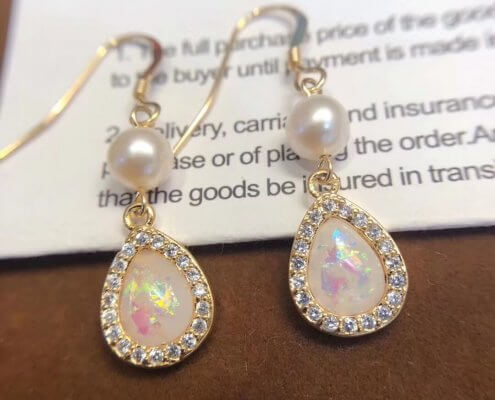
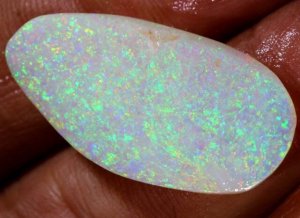
Do you like jewelry? Whether you prefer necklaces or earrings, you probably like them with diamonds, rubies, sapphires or one of the many other types of precious jewels. If you love necklaces, you may be a big fan of pearls, too.
Do you know where pearls come from? They don’t grow on trees. You can’t plant them. They aren’t mined out of the ground either. So where do pearls come from?
Pearls come from a living sea creature: the oyster. These beautiful round jewels are the result of a biological process within the oysters it protects itself from foreign substances.
Although clams and mussels can also produce pearls, they don’t do so very often. Most pearls are made by oysters, and they can be made in either freshwater or saltwater environments.
As oysters grow, an internal organ called the mantle uses minerals from the oyster‘s food to produce a substance called nacre. Nacre is the material that forms the oyster‘s shell.
Occasionally, a foreign substance, such as a grain of sand, may find its way into the oyster and get stuck between the mantle and the shell. This irritates the mantle, kind of like you might get the irritated skin if you get a splinter of wood in your finger.
To protect itself, an oyster‘s natural reaction will be to cover up the irritant. It does so by causing the mantle to cover the irritant with layers of nacre. This substance, usually used to create the shell, will instead form a pearl.
The most beautiful pearls — the kind used for jewelry — are perfectly round. Not all pearls turn out this way, though. Some pearls form in uneven shapes. These less-than-perfect pearls are known as pearls.
Most people think of pearls as being white. They can come in a variety of colors, though. Other common pearl colors include gray, red, blue, green and even black.
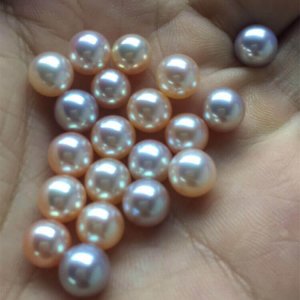


Pearls that form naturally inside of oysters are called natural pearls. Sometimes oysters get a bit of help from pearl harvesters, though. These people open oysters, cut small slits in the mantle and insert small irritants under the mantle. The pearls produced by this method are called cultured pearls.
Cultured and natural pearls are usually considered to be of equal quality. Cultured pearls are often less expensive, though, because they’re not as rare. While any oyster — and clams and mussels — can produce pearls, some species of oysters are more likely to produce pearls, while others may be harvested primarily to serve as food.
Oysters. People either love them or hate them, but rarely do oysters garner a simple “meh.” Yet surprisingly, there is a lot we don’t know about this tasty, slimy and expensive bivalve, save for the idea that you eat them raw, accompanied by champagne and that pregnant ladies aren’t allowed to join in. To help shed some light, here are 10 facts about these mollusks.

1. NYC used to be the place to eat oysters
When the Dutch first arrived in Manhattan during the 17th century, the island was covered in oyster beds, and oysters were a treat they, as well as the native population of Lenape Indians, thoroughly enjoyed. As more settlers came in and New York grew as a city, so did the consumption of this popular mollusk. By the 19th century, the oyster beds found in New York Harbor were the largest source of these creatures worldwide. In the city itself, you could get raw oysters from street vendors or go to what was called an oyster saloon and find oysters cooked in all sorts of ways including scalloped, fried, dipped in butter, pan roasted and made into a stew. Unfortunately, this obsession with the mollusk caused mass destruction to the oyster beds, and they were all but wiped out. Today, there has been a strong push to revitalize the native oysters, though the days of having the streets of Manhattan glistening with shells are long gone.
When the Dutch first arrived in Manhattan during the 17th century, the island was covered in oyster beds, and oysters were a treat they, as well as the native population of Lenape Indians, thoroughly enjoyed. As more settlers came in and New York grew as a city, so did the consumption of this popular mollusk. By the 19th century, the oyster beds found in New York Harbor were the largest source of these creatures worldwide. In the city itself, you could get raw oysters from street vendors or go to what was called an oyster saloon and find oysters cooked in all sorts of ways including scalloped, fried, dipped in butter, pan roasted and made into a stew. Unfortunately, this obsession with the mollusk caused mass destruction to the oyster beds, and they were all but wiped out. Today, there has been a strong push to revitalize the native oysters, though the days of having the streets of Manhattan glistening with shells are long gone.
2. Oysters have many health benefits
Before you take this statement too far — no, you will not get turned on by eating an oyster. However, this sexy bivalve packs a wallop of zinc, which is great for making you feel good and keeping up your energy. Not only does the zinc boost your sex drive, but it also ups your immune system, helps get rid of acne, eases rashes and makes your bones stronger.
Before you take this statement too far — no, you will not get turned on by eating an oyster. However, this sexy bivalve packs a wallop of zinc, which is great for making you feel good and keeping up your energy. Not only does the zinc boost your sex drive, but it also ups your immune system, helps get rid of acne, eases rashes and makes your bones stronger.
3. There are five species of oysters
Sure you have over a hundred varieties of oysters, but did you know that all of these hail from only five species? And of those you have the Pacific Oysters (or Japanese Oyster), Kumamoto Oysters, European Flat Oysters, Atlantic Oysters and Olympia Oysters. Aside from the water they grow in, what makes these bivalves different from each other are the shells. The European Flat has a large, straight shell with fine ridges, whereas the Pacific Oysters are smaller with wavy casings. Kumamotos are also smaller, and the shell is rounder and pale, which is similar to the Olympias, though this one has a smoother shell with a bit of iridescent coloring. Finally, the Atlantic species looks like a comma or teardrop and tends to be on the larger side.
Sure you have over a hundred varieties of oysters, but did you know that all of these hail from only five species? And of those you have the Pacific Oysters (or Japanese Oyster), Kumamoto Oysters, European Flat Oysters, Atlantic Oysters and Olympia Oysters. Aside from the water they grow in, what makes these bivalves different from each other are the shells. The European Flat has a large, straight shell with fine ridges, whereas the Pacific Oysters are smaller with wavy casings. Kumamotos are also smaller, and the shell is rounder and pale, which is similar to the Olympias, though this one has a smoother shell with a bit of iridescent coloring. Finally, the Atlantic species looks like a comma or teardrop and tends to be on the larger side.
4. Oysters clean the water
Each oyster filters about 30 to 50 gallons of water a day. A day! Think of how much water a whole bed of those awesome bivalves is cleaning, which makes these not only tasty creatures but good-for-the-environment ones as well.
Each oyster filters about 30 to 50 gallons of water a day. A day! Think of how much water a whole bed of those awesome bivalves is cleaning, which makes these not only tasty creatures but good-for-the-environment ones as well.
5. Oysters and absinthe are a match made in heaven
Forget champagne. At the Brooklyn restaurant Maison Premiere, oysters and absinthe are all the rage. “The combination of briny, mineral-rich oysters and the soft fennel and mint of the absinthe struck a chord with the American palate and brings each element to light in a new way,” says Ben Crispin, the restaurant’s maître d’. “While a mug of stout or a glass of champagne is great, it is absinthe and oysters that really make a perfect match.” Here they serve over two dozen types of absinthe and just as many varieties of oysters, so it stands to reason the folks behind the restaurant know what they are talking about.
Forget champagne. At the Brooklyn restaurant Maison Premiere, oysters and absinthe are all the rage. “The combination of briny, mineral-rich oysters and the soft fennel and mint of the absinthe struck a chord with the American palate and brings each element to light in a new way,” says Ben Crispin, the restaurant’s maître d’. “While a mug of stout or a glass of champagne is great, it is absinthe and oysters that really make a perfect match.” Here they serve over two dozen types of absinthe and just as many varieties of oysters, so it stands to reason the folks behind the restaurant know what they are talking about.
6. Americans pioneered booze and oyster pairing
“Let the French have their wine and the Irish have their beer, it was spirits and oysters the Americans were focused on,” says Crispin. “The New York oyster tavern of the 19thcentury is where most Americans tried drinking spirits with their oysters for the first time, and when these taverns began spreading south and reached New Orleans, the absinthe capital of America, these two items met for the first time.” Now, aside from absinthe, you find this luscious bivalve paired with a dirty martini, gin gimlet, and even a Hemingway daiquiri, if you are feeling adventurous.
“Let the French have their wine and the Irish have their beer, it was spirits and oysters the Americans were focused on,” says Crispin. “The New York oyster tavern of the 19thcentury is where most Americans tried drinking spirits with their oysters for the first time, and when these taverns began spreading south and reached New Orleans, the absinthe capital of America, these two items met for the first time.” Now, aside from absinthe, you find this luscious bivalve paired with a dirty martini, gin gimlet, and even a Hemingway daiquiri, if you are feeling adventurous.
7. Not all types of oysters make pearls
Despite any hopes you have of popping open an oyster and finding a gleaming pearl, the oysters we eat don’t actually make these precious gemstones. While the edible oysters belong to the family Ostreidae, pearl oysters, or Pinctada, are part of the Pteriidae family. Of the seven main types that create the coveted orbs, each adds its own spin to the mix, giving them different colors, sizes, and shapes. Also, unlike the common oysters we know, Pinctada are found deep in the ocean, not near the surface.
Despite any hopes you have of popping open an oyster and finding a gleaming pearl, the oysters we eat don’t actually make these precious gemstones. While the edible oysters belong to the family Ostreidae, pearl oysters, or Pinctada, are part of the Pteriidae family. Of the seven main types that create the coveted orbs, each adds its own spin to the mix, giving them different colors, sizes, and shapes. Also, unlike the common oysters we know, Pinctada are found deep in the ocean, not near the surface.
8. Oysters taste better in the winter
Ever wonder why there’s the adage about not eating oysters in months that don’t have an r letter (think May, June, July, and August)? The main reason is that it’s harder to keep them cold and fresh in the heat, especially before refrigeration. But the other reason is that in the summer months the bivalves are spawning, which gives them a weak and watery flavor. During the winter months, when the water is nice and cold, these mollusks really thrive. “They just taste a lot better when the water is colder,” says Stephanie Villani, who sells seafood in the NYC farmers’ market through her Long Island-based company Blue Moon Fish. “We don’t even bother to bring oysters in the summer.”
Ever wonder why there’s the adage about not eating oysters in months that don’t have an r letter (think May, June, July, and August)? The main reason is that it’s harder to keep them cold and fresh in the heat, especially before refrigeration. But the other reason is that in the summer months the bivalves are spawning, which gives them a weak and watery flavor. During the winter months, when the water is nice and cold, these mollusks really thrive. “They just taste a lot better when the water is colder,” says Stephanie Villani, who sells seafood in the NYC farmers’ market through her Long Island-based company Blue Moon Fish. “We don’t even bother to bring oysters in the summer.”
9. Oysters help plants grow
Don’t just chuck those used empty oyster shells in the garbage. The shells are great for helping your garden flourish. The reason for this is calcium, and the oyster shell is chock-full of it. This chemical can improve the soil’s pH balance, adds nutrients to the plants and strengthens their cell walls, all of which leads to healthy produce and brighter flowers. So next time, think twice about throwing the shells away and use them as fertilizer instead.
Don’t just chuck those used empty oyster shells in the garbage. The shells are great for helping your garden flourish. The reason for this is calcium, and the oyster shell is chock-full of it. This chemical can improve the soil’s pH balance, adds nutrients to the plants and strengthens their cell walls, all of which leads to healthy produce and brighter flowers. So next time, think twice about throwing the shells away and use them as fertilizer instead.
10. The bad oyster exists
When your buddy calls in sick because of a “bad oyster,” do you ever think he is just trying to get out of that Sunday brunch you planned weeks ago? Turns out the bad oyster is a real thing, and there is nothing you can do to avoid it. Sure, you shouldn’t eat raw shellfish that has been sitting out for a while in a warm room or in the sun, but even if you are cautious of this situation, you can still get sick off of oysters. The reason for this is food poisoning from Vibrio vulnificus, a bacteria that grows in estuaries and along the coast, the places you find oysters too. Not that this should dissuade you, as it’s not that common and the majority of people that end up with that fated bite recover just fine.